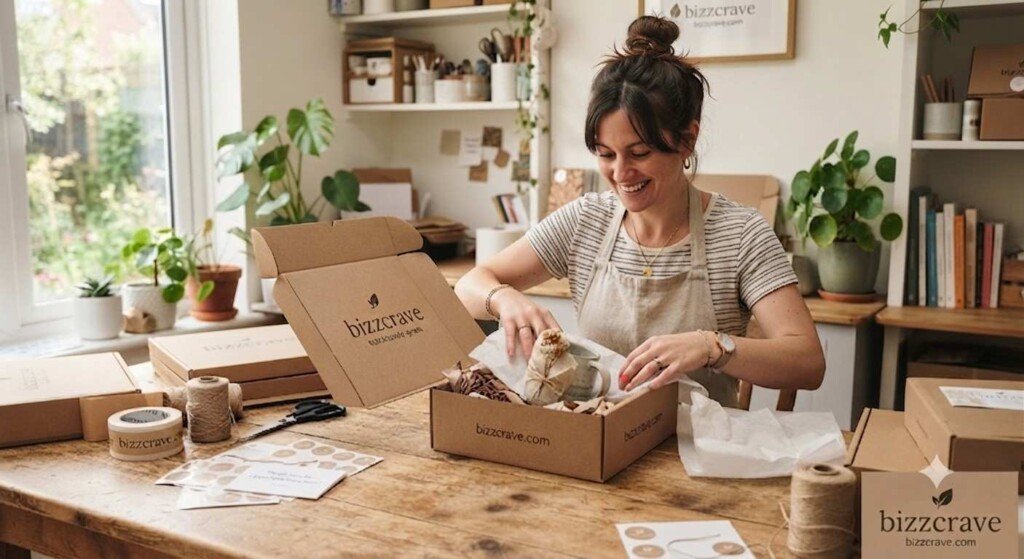

Every product you buy needs a box, a bag, or a wrapper to reach you safely. That simple fact is why the packaging industry keeps growing every year. E-commerce brands need mailer boxes. Beauty brands need custom packaging that looks good on a shelf. Cafes need kraft bags. If you have ever wondered how to turn this steady demand into your own business, you are in the right place.
This guide walks you through every real step of starting a packaging business, from picking a niche to landing your first client. It is written in plain language, based on how the packaging industry actually works today, so you can move from idea to action without getting stuck in theory.
Why the Packaging Business Is Worth Starting Today
The packaging industry is not slowing down. Online shopping keeps rising, and every parcel needs protective and branded packaging to arrive safely. At the same time, more brands want custom packaging that reflects their identity instead of plain, generic boxes. This shift creates room for small and new businesses, not just big manufacturers.
Another reason this business works well for beginners is flexibility. You do not need a huge factory on day one. Many successful packaging entrepreneurs start with design services or small production runs, then scale up once orders grow. This low-barrier entry point is exactly why packaging remains one of the more approachable business ideas for someone starting from home or a small workspace.
Types of Packaging Businesses You Can Start
Selecting a packaging business model requires you to carefully balance your available capital, technical interests, and operational goals. A manufacturing business demands higher initial investment in machinery and a deep understanding of raw material production, such as processing corrugated fiberboard into custom boxes. If you prefer a lower barrier to entry, operating as a packaging supplier focuses on supply chain management, logistics, and distribution rather than direct production. For those with stronger creative or branding interests, specializing in custom design or eco-friendly packaging services allows you to add value without needing a full-scale manufacturing facility. Ultimately, choosing a path that aligns with your specific budget and skill set is essential to ensuring your business’s long-term sustainability and market success.
1. Custom Packaging Design Service
The design-only model minimizes startup costs by shifting your focus to creating specifications and artwork, then outsourcing the actual manufacturing. This approach allows you to leverage your technical expertise in corrugated packaging such as structural configuration, material strength, and sustainability without the capital investment of heavy machinery.
2. Packaging Manufacturing Business
In-house production involves manufacturing your own packaging, requiring significant capital for specialized machinery like cutting and printing equipment. While costly, it grants you total control over quality and turnaround times, allowing you to directly apply your interest in the technical manufacturing processes and structural configurations of corrugated materials.
3. Packaging Supply and Reseller Business
The reselling model involves purchasing packaging materials in bulk to distribute them to small businesses that require immediate inventory. This path relies heavily on strong supplier connections and efficient logistics rather than hands-on design or manufacturing. It is an excellent fit if you wish to capitalize on your interest in the logistical utility and material benefits of packaging, allowing you to provide affordable, sustainable solutions to businesses while maintaining a streamlined operational flow.
4. Eco-Friendly and Sustainable Packaging Business
Demand for sustainable packaging keeps climbing as more customers avoid single-use plastics. Starting a business focused on biodegradable, recyclable, or reusable materials can help you stand out early. Bizz Crave’s guide on why eco-friendly packaging matters explains this shift in more detail if you want to explore this niche further.
5. Niche-Specific Packaging (Cosmetic, Food, Gifting)
Some entrepreneurs succeed by picking one industry and mastering it. For example, cosmetic packaging has its own trends, materials, and buyer expectations, as shown in this breakdown of cosmetic packaging trends.
Step-by-Step Guide to Starting a Packaging Business
Step 1: Research the Market and Choose Your Packaging Niche
Attempting to serve every industry at once often dilutes your brand; instead, specialize in one niche to build authority and streamline your operations. When choosing your focus, ensure it aligns with your demonstrated technical interest in the structural configurations of corrugated packaging and your focus on the logistical and material benefits of the industry. Focusing on a specific sector allows you to leverage your expertise in high-quality, protective packaging rather than struggling to compete as a generalist.
- Which industries in my area lack good packaging suppliers?
- Do I want to work with food, cosmetics, retail, or shipping brands?
- Can I offer something competitors do not, such as eco-friendly options or faster turnaround?
Look at real examples close to home. Soap and skincare brands, for instance, often struggle to find affordable yet attractive packaging, which is why guides like custom soap boxes wholesale highlight such a strong ongoing demand in that space.
Step 2: Create a Simple Packaging Business Plan
A packaging business plan doesn’t need to be an overwhelming document, but it should serve as a clear roadmap that eliminates guesswork and helps you anticipate challenges as you scale. Developing this plan early allows you to align your operational choices with your financial goals, ensuring your business remains sustainable from the start.
What to Include in Your Plan
- Your chosen niche and target customers
- Startup and monthly operating costs
- Supplier list and material sourcing plan
- Marketing and sales strategy
- Revenue goals for the first six to twelve months
Step 3: Register Your Business and Handle Legal Requirements
Once your plan is ready, make it official. Most new packaging businesses start as an LLC because it protects personal assets and keeps taxes simple. After registering, apply for an Employer Identification Number and any vendor license required in your state or country. If you plan to package food or cosmetics, check for additional safety certifications, since these industries have stricter compliance rules than general retail packaging.
Step 4: Calculate Startup Costs and Explore Funding
Startup costs vary significantly by business model: a design-only packaging business requires minimal capital, typically covering only design software, website setup, and marketing expenses. In contrast, in-house manufacturing demands a substantial financial investment, often reaching hundreds of thousands to millions of dollars to cover essential industrial machinery like cutters and printers, facility leases, and initial raw material inventory.
If your personal savings are not enough, consider these funding paths:
- Small business loans from local banks or credit unions
- Partnerships with someone who can co-invest
- Pre-orders or deposits from early clients to fund initial production
Keep a monthly budget review instead of an annual one. Material prices shift often, and reviewing costs monthly helps you catch problems before they grow.
Step 5: Source Reliable Packaging Materials and Suppliers
Choosing the right supplier is essential because your packaging materials directly impact both your product quality and profit margins. To ensure the best fit, always compare at least three different suppliers and insist on testing physical samples before committing to any bulk orders. This critical vetting process helps verify structural integrity and design accuracy, ultimately safeguarding your brand and minimizing potential financial risks.
Common Packaging Materials to Consider
- Paper and kraft – affordable, easy to customize, popular for retail and food packaging
- Corrugated cardboard – strong and ideal for shipping boxes
- Rigid board – used for premium, luxury-style packaging
- Recyclable plastics or bioplastics – useful when eco-friendly claims matter to your buyers
- Glass and metal – suited to cosmetics, food, and beverage industries
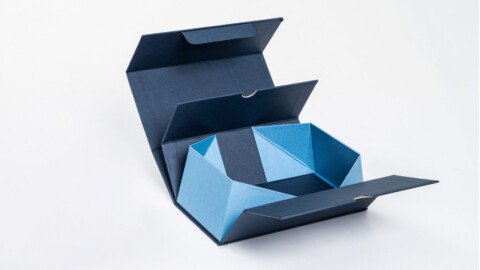
If premium presentation is part of your niche, collapsible rigid boxes are worth studying closely, and this guide on collapsible rigid boxes for premium packaging shows how space-saving design can still feel luxurious.
Step 6: Set Up Your Workspace and Equipment
Decide early whether you will manufacture in-house or outsource production while you handle design and sales. Many beginners start by outsourcing to keep costs low, then invest in their own cutting, sealing, and printing equipment once orders become steady. If you do set up a facility, make sure it has proper space for receiving materials, production, and storage, along with reliable electricity and ventilation.
Step 7: Understand Sizing and Measurement Basics
Getting sizing wrong is one of the most common and costly mistakes in this industry. Boxes that are too large waste material and increase shipping costs, while boxes that are too small damage the product inside. Before quoting any client, learn to measure accurately using a resource such as this box size and volume measuring guide, since precise measurements build trust with clients from the very first order.
Step 8: Price Your Packaging Products and Services
Pricing depends on your business type. Design-only services often charge hourly or per-project rates, while manufacturing businesses usually price per unit based on material and labor costs. Whichever model you choose, always request a partial deposit for custom orders to protect yourself from cancellations and cover upfront material costs.
Step 9: Market Your Packaging Business
When starting out, a strong portfolio is more valuable than a large advertising budget, so prioritize building a simple website that showcases your best packaging samples. Combine this with targeted outreach strategies to effectively attract clients while keeping your marketing costs low.
Digital Marketing Approaches
- Share behind-the-scenes production content on social media
- Post before-and-after packaging transformations
- Write helpful blog content, similar to guides on custom packaging trends, to attract organic search traffic
Offline and Direct Outreach
- Identify twenty to thirty local businesses that could use better packaging
- Send a well-designed sample box to high-value prospects
- Attend local trade shows or small business markets to meet buyers face-to-face
Affordable branding tools like custom stickers can also help new clients notice your work quickly, and this guide on using custom stickers for marketing shows how a small design detail can create a big branding impact.
Step 10: Scale Your Packaging Business Over Time
Once you have consistent orders, look at where to grow next. This might mean hiring a designer, investing in automation, or expanding into a related packaging niche such as mylar bags, which remain popular among retail stores according to this piece on die-cut mylar bags. Growing gradually, based on real order volume rather than guesswork, keeps your business financially stable.
Common Challenges New Packaging Business Owners Face
Every new packaging business runs into a few predictable hurdles. Rising raw material costs can shrink your margins if you do not adjust pricing regularly. Competition from established suppliers can make it harder to win larger clients early on. Sustainability expectations are also rising fast, so businesses that ignore eco-friendly packaging trends may struggle to stay competitive within a few years. Planning for these challenges from day one puts you ahead of owners who only react once problems appear.
Lessons from Businesses That Got Packaging Right
Talking to small business owners who switched to better packaging reveals a pattern worth noting. Brands that invested early in proper box sizing and quality materials reported fewer damaged shipments and fewer refund requests within the first few months. Brands that ignored these details, hoping to cut costs, often paid more later through returns, unhappy customers, and rushed reorders. This pattern shows why treating packaging as a core business decision, not an afterthought, pays off for both you and the clients you serve. It also explains why experienced packaging suppliers spend so much time on measurement, material testing, and sample runs before agreeing to a bulk order.
Frequently Asked Questions
How much money do I need to start a packaging business?
Costs vary by business type. A design-focused packaging business can start with a few thousand dollars, while a manufacturing setup with equipment and facility costs will need a much larger investment, often tens of thousands of dollars depending on scale.
Can I start a packaging business from home?
Yes, many packaging entrepreneurs begin from home, especially if they focus on design services or outsource production to a manufacturer. As orders grow, you can move into a dedicated facility.
Do I need a license to start a packaging business?
In most regions, yes. You will typically need a business registration, an Employer Identification Number, and a vendor license. Food or cosmetic packaging businesses may also need additional safety certifications.
What packaging niche is the most profitable right now?
Eco-friendly and sustainable packaging currently shows strong growth because more brands and consumers actively seek alternatives to plastic. Cosmetic and food packaging niches also remain steadily profitable due to constant repeat demand.
How long does it take for a packaging business to become profitable?
Most small packaging businesses take six months to a year to become consistently profitable, depending on how quickly they build a client base and control material costs. Design-only businesses often reach profitability faster since their overhead is lower.
Final Thoughts
Starting a packaging business rewards people who plan carefully and stay close to real market needs. Pick a niche you understand, keep your material sourcing reliable, and price your work fairly from the start. As you grow, keep learning from the same packaging trends your future clients care about, whether that is sustainable materials, smart sizing, or eye-catching custom designs. With steady effort, this is one of the more realistic small business ideas you can build into a long-term, profitable venture.