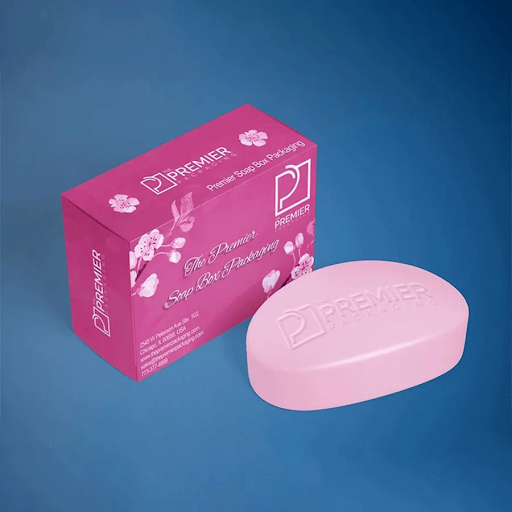

Though selling soap is exciting, there’s one thing you’ll need to get right – your label. The law specifies clear, specific information that must be included on your soap label. If you get it wrong, you might be liable to fines, recall or more problems! The good news? The rules are far simpler than they initially appear. Listed here are the simple, easy-to-understand legal requirements for every soap label in the United States.
First, Know Your Soap Type
First, you should find out the classification of your soap. This one selection is the key to which rules to follow. There are 2 types in the U.S.
The law divides soap into two groups according to what you are saying about it:
- True soap, which is primarily composed of oils and lye, and is sold solely for cleaning purposes.
- Cosmetic soap, any soap with its claim to moisturize, deodorize or beautify.
- This variation is very significant. The CPSC has simpler rules for “true soap”! The FDA has more stringent regulations for “cosmetic soap. So what you say, alters your label.
- Note: This is intended as a general guide only and not as legal advice. Please be aware of the latest FDA and CPSC regulations for your specific product.
The requirements for “True Soap” Labels.
Soap is the first to begin with, true soap. The rules are simple if your soap has no other claims. It is subject to the Fair Packaging and Labeling Act.
There are three essential elements that make a soap label a true soap label:
- The word “Soap” – obviously identifying the product.
- The net weight (oz. and grams).
- Your business name and address (Maker/Distributor).
That is it. It is not required by law to specify ingredients for products that are actually soap. Simply name it, weigh it and display who made it. Easy to make and simple, clean design, fits in custom soap boxes.
What Cosmetic Soap Labels Need
For cosmetic soap, there’s no such thing as too much. As soon as you say your soap “moisturizes” or “deodorizes,” it’s a cosmetic.So the instant you say your soap “moisturizes” or “deodorizes,” then it’s a cosmetic. That begins more stringent FDA requirements. Many soaps are made by hand here.
More details on cosmetic soap labels:
- Product identity: What is the product?
- Net weight (in ounces & grams).
- Name and location of the business — who is responsible?
- A complete ingredient list – this is the major new feature.
Ingredients have to be listed in compliance with FDA regulations. Arrange in order of quantity, starting with the largest amount. Always use the correct INCI names (official names of ingredients). Ingredients that are less than 1% may be added at the end and in any order; colors last.
Readers should take care to use the words accurately.
Here is a key tip. Your soap’s legal type is determined by the words on your label. A single mispronunciation can make a difference. Be selective of your claims, then.
Words that remain constant, such as “true soap”:
- “Cleanses”
- “Washes”
- “For use as soap”
Words that make it a cosmetic:
- “Moisturizes”
- “Deodorizes”
- “Softens skin”
Take extra caution with any drug claims. If you say that your soap “treats acne” or “kills germs,” it becomes a drug, at the very least. By far, the strictest rules are those of drugs. If you are not really prepared to comply with that, stay away from these claims.
The new address for the information.
It’s not only what you say, but it’s also where you say it. There are two main areas of labels – each with rules. It is important that the layout is correct.
The basic layout:
- The front (main display panel): the product name and net weight should be displayed here.
- Back or side: Place ingredients, business name, and address here.
- Please maintain the necessary information in an easily readable format. It must be big enough to see and not hidden. But even if the words are correct, a cluttered or small label will break the rules.
Don’t forget these details
There are some additional pieces of information that stymie many soap makers. These are some things to keep in mind when you’re going out of your way to ensure you’re safe and professional. They are not very large, but they are very significant.
Beware of these:
- Always use both ounces and grams — weight.
- Approved colors – only use FDA-approved colors for skin.
- Don’t say anything that you know is untrue or misleading.
- Soap for kids – children’s soap has additional testing requirements.
Your label will remain legal and trustworthy with these details. It is a very common mistake, and skipping them is expensive.
Create a label that fits in your box
Understanding the rules is key to designing with confidence. When you’re packaging, you have room to spread the items out neatly. Compliance is easy when it is done well, and looks professional as well.
That’s where custom soap boxes can make a difference. They provide clear panels to enter your information in the right places and ensure your label follows the rules while remaining beautiful and on-brand.
A smart label design:
- Places necessary information in the proper location.
- Remains legible and understandable.
- Is on-brand and professional-looking.
Smart packaging allows for compliance and style in one. Thus, your soap will be legal and look fantastic on the shop shelf.
Final Thoughts
Labeling is not to be feared when it comes to soaps. With soap type knowledge comes the rules. All you need to supply to a true soap is a name, weight, and address. A full list of ingredients is added by cosmetic soap.
The most crucial thing is watching of your words. Keeping things straight is simple, cleaning claims. If you are claiming your product has a moisturizing or healing effect, there are additional rules. Select the language wisely and truthfully.
Be sure to display weight in both units (metric and standard) in approved colors, and make sure all claims are accurate. Place it all in pretty, custom-designed soap boxes. Then your soap label will be legal, professional, and sales-ready.
Please note: Rules can change over time. This is a basic general guideline and not legal advice. Be sure to refer to the latest FDA and CPSC guidelines for your specific food product before printing. Use the correct label, and you and your customers can rest assured of selling soap with confidence.