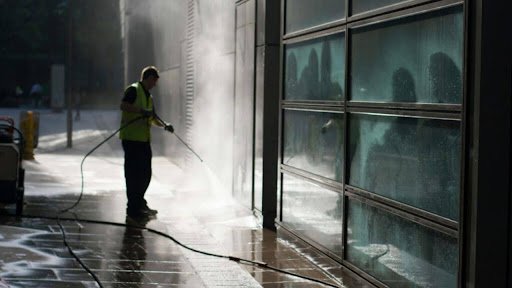

A clean storefront is one of the first things customers notice when they approach a business. Dust, dirt, mold, algae, grease, and pollution gradually build up on exterior surfaces, making even a well-maintained property look neglected. While many business owners focus on keeping interiors spotless, the outside of the building deserves the same level of attention. This is where storefront pressure washing becomes an essential part of regular property maintenance.
Beyond creating a positive first impression, professional cleaning helps preserve the structural integrity of your building. Dirt and organic growth can slowly damage concrete, brick, siding, glass, and other exterior materials if they are left untreated. Investing in routine cleaning today can help prevent expensive repairs in the future.
Whether you own a retail shop, restaurant, office building, or commercial complex, understanding how exterior cleaning protects your investment can help you make smarter maintenance decisions. Let’s explore why storefront pressure washing is much more than a cosmetic improvement.
Why Storefront Pressure Washing Is Essential for Commercial Buildings
A storefront experiences constant exposure to environmental elements throughout the year. Rain, dust, vehicle exhaust, bird droppings, pollen, mold, and mildew all contribute to surface deterioration over time. If these contaminants remain on exterior materials, they can gradually weaken finishes and create stains that become increasingly difficult to remove.
Regular storefront pressure washing removes these harmful substances before they cause permanent damage. Professional equipment delivers the right amount of water pressure to clean surfaces thoroughly without harming building materials. This process restores the appearance of sidewalks, walls, awnings, entryways, and windows while extending their lifespan.
For businesses located in busy commercial districts, maintaining a clean exterior also demonstrates professionalism. Customers often associate a well-maintained storefront with quality service, making exterior cleanliness an important part of your brand image.
How Dirt and Organic Growth Cause Long-Term Damage
Many property owners underestimate how destructive accumulated dirt and biological growth can become. Mold, mildew, algae, and moss trap moisture against exterior surfaces. Over time, this moisture can seep into porous materials such as brick, concrete, and stone, accelerating deterioration.
Moisture Creates Hidden Structural Problems
When moisture remains trapped beneath dirt or organic buildup, freeze-thaw cycles can create cracks in masonry and concrete. These small cracks may eventually expand, requiring costly repairs or replacement.
Organic growth can also damage painted surfaces by causing peeling, blistering, and discoloration. Once protective coatings begin to fail, underlying materials become more vulnerable to weather damage.
Routine cleaning removes these contaminants before they have an opportunity to penetrate deeper into the building materials. Preventive maintenance is almost always more affordable than repairing structural damage later.
Protecting Different Exterior Surfaces With Professional Cleaning
Every commercial property contains multiple exterior surfaces that require different cleaning techniques. Using excessive pressure on delicate materials may cause unnecessary damage, while insufficient pressure may fail to remove stubborn contaminants.
Professional technicians understand how to adjust cleaning methods based on surface type. Brick walls require a different approach than painted siding. Glass storefronts, metal panels, sidewalks, stone walkways, and decorative architectural features each need specialized care.
For example, soft washing may be used on painted surfaces or delicate finishes, while higher-pressure cleaning works effectively on concrete sidewalks and parking areas. This customized approach helps maintain the appearance and durability of every part of the building without causing surface wear.
Improving Customer Confidence and Business Reputation
The appearance of a storefront influences customer perceptions before they even enter the building. Clean walkways, sparkling windows, and stain-free walls communicate that the business values quality, cleanliness, and professionalism.
Imagine two neighboring stores selling similar products. One has stained sidewalks, mildew-covered walls, and dirty windows, while the other has a bright, freshly cleaned exterior. Most customers naturally feel more comfortable entering the cleaner business.
Regular storefront pressure washing also helps reduce slippery surfaces caused by algae or grease, creating a safer environment for visitors and employees. This not only enhances customer satisfaction but may also reduce potential liability from slip-and-fall accidents.
A consistently clean exterior supports stronger brand credibility and encourages repeat business.
Creating a Preventive Maintenance Schedule That Saves Money
Waiting until a storefront becomes visibly dirty often means contaminants have already begun damaging exterior materials. Instead of treating pressure washing as an occasional cosmetic service, many successful businesses include it within a preventive maintenance plan.
The ideal cleaning schedule depends on several factors, including local climate, surrounding traffic, nearby trees, and the type of business. Restaurants, shopping centers, gas stations, and buildings located near busy roads generally require more frequent cleaning because grease, pollution, and debris accumulate faster.
Routine inspections allow property managers to identify problem areas before they become expensive repairs. Investing in scheduled maintenance can extend the life of paint, masonry, concrete, signage, and other exterior features while reducing long-term maintenance costs.
Over several years, preventive cleaning often proves significantly more economical than major restoration work.
Choosing the Right Pressure Washing Professionals
Not all pressure washing services deliver the same level of quality. Selecting an experienced contractor ensures your building receives proper care without risking surface damage.
Look for companies that use commercial-grade equipment, environmentally responsible cleaning solutions, and trained technicians familiar with various building materials. A reliable provider should assess your property before recommending the most suitable cleaning method.
Reading customer reviews, requesting proof of insurance, and asking about previous commercial projects can help you make an informed decision. Businesses that prioritize safety, proper equipment, and attention to detail generally produce longer-lasting results.
Rather than focusing only on the lowest price, consider the value of professional expertise. High-quality cleaning helps preserve your property, improve curb appeal, and reduce future maintenance expenses.
Conclusion
Maintaining a clean storefront goes far beyond improving appearances. Dirt, mold, algae, pollution, and moisture gradually damage exterior materials, leading to costly repairs if ignored. Regular storefront pressure washing removes these harmful contaminants before they compromise your building’s structure and appearance.
A professionally cleaned storefront creates a welcoming environment, strengthens customer confidence, protects valuable building materials, and supports long-term property value. Whether your business operates in retail, hospitality, healthcare, or professional services, investing in routine exterior cleaning is a practical step toward preserving both your property and your reputation.
Preventive maintenance today can save substantial repair costs tomorrow while ensuring your business always makes a positive first impression.
FAQs
1. How often should storefront pressure washing be scheduled?
Most commercial properties benefit from professional cleaning one to four times per year, depending on weather conditions, traffic, and surrounding environmental factors.
2. Is pressure washing safe for all storefront materials?
Yes. Professional technicians adjust pressure levels and cleaning methods according to each surface, including brick, concrete, siding, glass, and painted areas.
3. Can storefront pressure washing remove mold and algae?
Yes. Professional cleaning effectively removes mold, mildew, algae, and other organic growth that can damage building materials over time.
4. Does pressure washing help improve customer impressions?
Absolutely. A clean storefront creates a professional appearance, increases curb appeal, and encourages customers to view your business as trustworthy and well-maintained.
5. Can regular pressure washing reduce maintenance costs?
Yes. Routine cleaning prevents long-term surface deterioration, helping businesses avoid expensive repairs, repainting, and structural restoration.