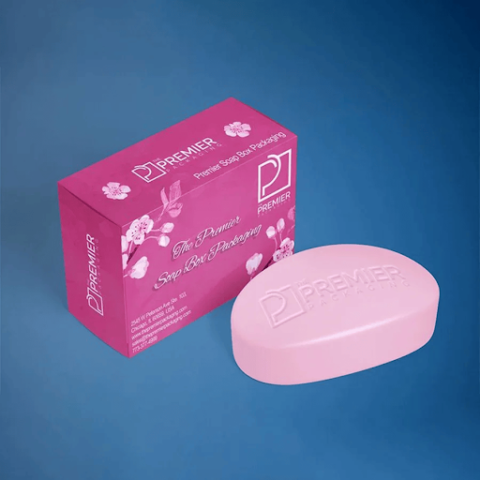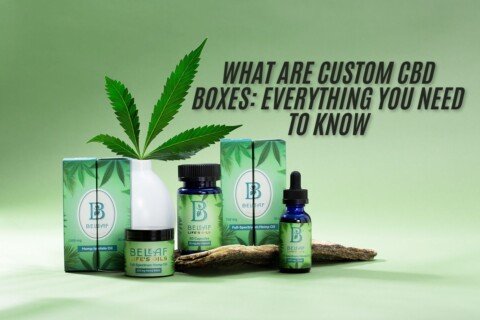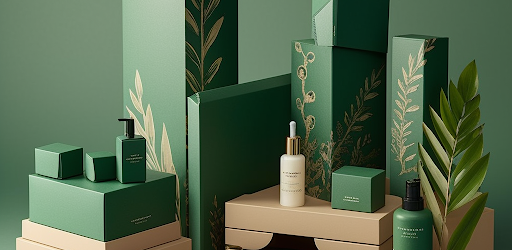

In 2026, sustainable cosmetic packaging will shape the future of the beauty industry, with companies adapting to a world of heightened environmental demands and regulatory scrutiny in various global markets. Cosmetic packaging in 2026 will be recognized as sustainable: refillable, mono material, biodegradable, tech-enabled, transparent. The current aesthetic benchmark is eco-design and sustainability is moving from an afterthought to a building structure.
Refillable Packaging Dominates Premium Beauty
Refillable packaging is predicted to experience significant growth in 2026. Premium refill systems, typically constructed from a metal or glass exterior and light-weight interior cartridges, are rising in popularity, particularly within skincare and superior perfume. Refillable packaging is on the rise from a niche to a mainstream expectation in premium and massive.
If brands can develop durable outer packaging, consumers make a one-time investment and reuse again and again. This is a significant waste reduction that can foster customer loyalty. It establishes a continuous relationship: the customers retain the superior bamboo or glass case and continue to come back for replenishment. This is especially true in the fragrance category. When you’re out searching for high-end perfumes and a perfume box discount code, you will discover that a lot of luxury perfume brands nowadays supply refillable perfume bottles which not only provide the luxury sensational but also lower the packaging squander.
Mono-Material Solutions Simplify Recycling
Non-recyclable elements are removed in advanced mono-material solutions. More brands are focusing on mono-material packaging, thus simplifying the consumers’ recycling process and enabling brands to comply with the European EPR and PPWR. We expect a significant increase in packaging solutions made from one material only (mono-material) in 2026, which will facilitate and improve recycling.
Bottles, compacts and tubes continue to be the majority of recycled and recyclable material, and have more post-consumer recycled (PCR) content. The strategy reduces the multiple-layer packaging that confuses recycling facilities, and increases the amount of packaging that goes straight to landfill.
Biodegradable and Bio-Based Materials Expand
Nowadays, biodegradable or bio-based films are utilized in pouches, sachets and sample packs. Innovation in materials is expected to also ramp up, with brands testing algae-based polymers, molded pulp for secondary packaging and new renewable coatings, which would enhance barrier properties and not be made from plastic.
The industry is transforming regulatory deadlines come down. From February 2025, the EU’s PPWR regulation will be in force, to be applied from August 2026. In California, SB 54 requires 100% recyclable packaging and a 65% recycling rate in 2032. EPR Programs are growing throughout the U.S.
Light weighting cuts CO₂-emissions
Logistics are light weighted, as are material use and carbon footprint. Brands are able to ship more product with less material because compacts are thinner, bottles are lighter and tubes are more efficient. This way, emissions from transportation can be minimized, product protection and shelf appeal is ensured.
Packaging needs and shipping efficiency are reduced by the use of waterless and solid products. Unlike the traditional liquid formulations, solid serums, powder cleansers and bar moisturizers use significantly less packaging, which leads to less material waste and logistics emissions.
The technology-based transparency creates trust
Technological transparency via QR codes connects consumers to data, provenance and recycling information. Digital integration helps to enable sustainable consumer behavior. QR and NFC technology can lead consumers to correct disposal methods, refill points, or subscription refilling services.
Transparency about material content, possibilities for re-use and carbon footprint is increasingly becoming common practice. But consumers don’t need promises, they need proof of sustainability claims. With the help of digital integration, brands can give this proof in real time, establishing credibility and trust.
Minimalism is evolving into nature-inspired aesthetics
Minimalism is likely to become a nature-inspired style. The packaging will have soft gradients, organic textures and matte surfaces, reflecting the packaging’s ecological values. The design trends of 2026 are moving away from big graphics and towards Quiet Luxury, with clean lines, tactile surfaces and subtle branding.
In 2026, cosmetic packaging trends are characterized by a commitment to the delicate balance between sustainability and luxury. Consumers would like to have a premium feel packaging that also has an environmental aspect.
Consumers Demand Measurable Impact
Today, consumers are not willing to settle for ‘green’ buzzwords, they want to see and feel the differences made. Sustainable packaging in 2026 will be characterized by the principle of true circularity and transparency in packaging stories. Although the product must look good, sustainability is becoming a critical structural element.
By 2030, the single-use cosmetic packaging is completely banned in the hospitality industry. The industry has been shifting towards preserving as well as reducing waste and Airless systems are growing at 6.1% CAGR driven by premium skincare demands.
The Bottom Line
Sustainable cosmetic packaging is no longer just a trend; it is a necessity for brands looking to stay relevant in today’s eco-conscious marketplace. Green cosmetic packaging is not just an innovation anymore, but one of the most effective solutions when it comes to the growth of the market, innovation and trust of the brands.
Brands that get on board with these trends will meet the demand of conscious consumers, develop long-term brand loyalty and drive the industry evolution. Beauty packaging is circular, transparent, and it’s certainly more sustainable. Refillable, mono-material, biodegradable film, and tech-facilitated transparency is just 2026 the year when it’s expected to be standard practice, not the premium exception.
Sustainability is no longer a trend in the beauty industry, it’s a reality. It is needed by consumers, mandated by regulators, and possible because of innovation. Brands that adjust will be successful; brands that don’t will not survive.