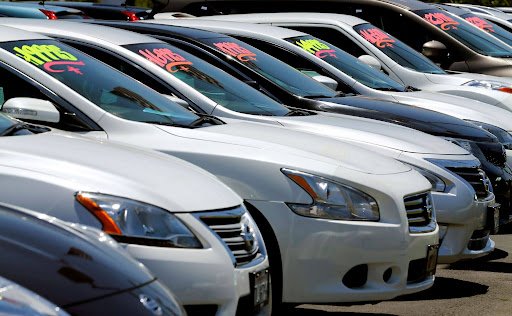

When you are planning to buy a second-hand car, be cautious of the hidden costs of buying a used car. From road tax, repairs, and insurance, the advertised price isn’t the complete story. Without proper planning for these costs, the car can take a huge hit to your wallet.
In this guide, we will discuss some common cost surprises that can throw off most car buyers’ budgets. We have uncovered everything, including:
- The costs of used car ownership
- Car tax and insurance costs
- MOT and servicing costs
- Used car repair expenses
We’ll also go through whether the extended warranty is worthwhile, how fuel and maintenance costs add up in the final moment, along with dealer admin fees.
The Price Tag Is Only the Beginning
It’s very easy to fall for a car by looking at its advertised price and the car’s condition. But as you sign the papers, the real cost journey begins. The first one to appear is the road tax. While the new cars come with an annual tax included, for an old car, you have to pay tax instantly.
Based on the car’s registration date and CO2 emissions, you may have to pay somewhere between £150 and over £500. Only then can you drive legally and with peace of mind. That’s one of the costs of used car ownership UK drivers often face.
Tip: Set aside at least £500 – £1000 beyond the car purchase price. It’s really helpful when it comes to road taxes, insurance, fuel and maintenance.
Insurance and Tax: The Non-Negotiables
The next most important factor is car tax and insurance costs. Even if you have estimated the entire insurance quote, you may still fall into the trap of insurance groups. An economic car with cheap parts may have high insurance because it lacks the advanced safety features.
Similarly, a car that fits well in your insurance budget may rise manyfold when you enter your driving history and postcode. Make sure to enter all the details of the specific car before finalising the quote.
MOT and Servicing: More Than A Formality
A fresh MOT may look attractive, but costs are beyond the basic test. If you get a major interval in the service like a complete brake oil change, it can cost you hundreds of pounds in the first year of car ownership. Even routine MOT and servicing costs can cost you £150 to £300. So, always check the car history to take all these factors into account.
The Reality of Repairs and Warranties
No matter how carefully the inspection is done, old things always wear out. Used car repair expenses can range from minor problems to huge problems like a complete spare part replacement. Here, an extended warranty plays its role. For such purposes, dealers offer extended warranties, but sometimes, they come with limits. So, always ensure to read the small print.
Tip: Extended warranties aren’t bad. Just know what’s excluded. If it doesn’t include the wear-and-tear repairs, you are going to pay more.
Fuel and Maintenance
After all the above-mentioned factors, there come the fuel and maintenance costs. A normal and affordable-looking car can literally drink fuel if the engine isn’t maintained properly. The same goes for brakes, tyres and minor parts. These can exceed the buying value of the car in 2 to 3 years in the UK.
Don’t Forget the Daily Fees
Finally, when you think you have finalised the price, the dealer’s admin fees show up at the last moment. This may include:
- Documentation fee
- Number plate transfer fee
- Valeting charges
Though these may not cost much, why pay an extra fee? Always ask for the on-road price of the car.
Putting It All Together
The hidden costs of buying a car aren’t meant to make you anxious or terrified. But understanding all these costs helps you plan more effectively. By including tax, insurance, fuel and maintenance costs, you can set a realistic budget to buy a car.
Check your free used car buying checklist now. It’s a step-by-step guide to clear all the hidden costs so you can drive with confidence.
FAQs
What are the examples of hidden fees?
The final price of the car doesn’t include the valeting fee, dealer admin fee, and documentation charges. Road tax is also not included in the final price. Extended warranties may have high excesses. You should always ask for the “on-the-road” price so you can have a comprehensive view of everything.
How to check for a hidden fee?
Before signing anything, always ask for the full price of the car. Compare that price to the price mentioned in the advertisement to check for any extra charges. An honest seller will describe all the details to you.
How to avoid 3% transaction fee?
Pay for the car with a debit card or bank transfer, instead of a credit card. Most of the dealers charge a fee on credit card transfers, especially for large amounts. Ask them to remove that fee or include that in the deal.
What is the biggest mistake first-time car buyers make?
They look only at the monthly instalment and forget about insurance, tax, and repairs. They also forget to check the vehicle’s MOT certificate and its history. Resultantly, they get cost surprises when they buy a car.
What is the best rule to buy a car?
Always get your car checked by a mechanic and check its MOT history. Never skip a test drive. Walk away if the dealer rushes you in making the deal of the deal look too good. Being patient is the key to buying a good car.
What is the life expectancy of a used car?
Most modern petrol and diesel cars can last 150,000 to 200,000 miles if you look after them carefully. Regular maintenance and repairs make a huge difference. A car with high miles but regular inspections and maintenance can last longer than a car with low miles but no maintenance.
What are the signs that a car is reaching its end?
If the car needs costly repairs repeatedly over time, or rust is getting over all its frame, it’s time to let it go. If the car is emitting thick smoke, giving repeated warning signs, or slipping clutch, these are also bad signs. If the car repair is costing you more than the original car value, it’s time to replace it.
What is the best age of a car for purchase?
Three to five-year-old cars are the best choice if you want to buy a used car. In this period, the value has already dropped, but the car still has modern features. Older cars have a high repair history, while the newer ones are still expensive.
How much investment should you make in your vehicle?
It’s recommended not to spend more than 10-15% of your annual income on buying a car. Keep 15-20% of your monthly income aside for insurance, tax, repairs, and fuel. This way, you have a better idea of where your investment is heading.
How to never pay full price?
Learn about the right value of the car by looking for cars with the same model and year. Bargain with the dealer using that information and ask him to lower the price. If he doesn’t, walk away. Also, buy a car at the end of the month because dealers have to complete their targets too. So, they are likely to agree on low prices.
Read More