
Have you ever opened a box and found your favourite mug in pieces? It hurts. Packing ceramics correctly is important, whether you’re packing up for moving or shipping a present or a grandmother’s dinner set. Special attention must be given to each type. Let’s keep it simple.
Be aware of the items you’re bringing.
Not all ceramics are created equal. They all have their advantages and disadvantages. Knowing these will help you pack “smart” and avoid costly packing errors.
Beautiful but Fragile is about porcelain, the most fragile and beautiful material in the world.
Porcelain is light, thin and delicate. Fired at high temperatures, it is difficult but brittle. The edges and rims easily chip. Cracks may occur in the event of a bump, even if it is small. Porcelain is the most delicate item, and the most careful packing and additional padding is needed. It can be easily broken if there is a drop, no matter how small.
Stoneware is a great everyday option that is durable.
Stoneware is more compact and harder than porcelain. It is designed for everyday use and can withstand wear and tear better. Chipping resistant better than porcelain. However, don’t take your ease of mind for granted. Even with stoneware, damage can occur if the packing is not done properly. Heavy items may break if dropped. Because it’s heavy, you will require more robust boxes.
Ceramic and Earthenware: Rustic and porous.
Earthenware is more fragile, but has a rustic charm. Porous and can chip. If the glazing isn’t done right, it will be even more vulnerable to temperature changes and cracks. Care must be taken in wrapping ceramics with adequate padding. They also absorb moisture, which can weaken them over time.
The Golden Rules of Packing
These are the steps you can take to protect your items when moving or shipping.
1. Clean and Dry First
Clean each piece gently before packing. For unglazed objects, use a soft cloth. For glazed pieces, wash with mild soap and warm water. Never use bleach. Be sure everything is dry before wrapping. Moulding can occur during long-term storage due to moisture. Even a little wetness is enough to ruin fine items.
Wrap Each Item Separately
Don’t stack without wrapping. A protective layer must be applied to each piece.
Correctly wrapping is:
- Begin with a soft cloth or acid-free paper
- Line with bubble wrap as a cushioning.
- Be mindful of the handles and thin edges.
- Tape the wrap in place, but not too tightly.
3) Use the proper box.
Use a heavy-duty, corrugated cardboard box. It should remain in the same shape and not bend when loaded.
Box selection tips:
- Choose a box that is big enough to allow at least 5cm of cushioning around all edges.
- Don’t use oversized boxes. Purchased items will be rearranged.
- Place valuable items in double-boxes for additional security.
- Please review the box weight limit prior to packing
To cushion the bottom and fill the gaps.
First, put something soft on the bottom of the box. Foam, bubble wrap or packing peanuts work great.
Fill all gaps:
- Line surfaces with padding between objects
- Stuff it full so that it doesn’t move.
- The box should not have a “hollow” sound when shaken slightly.
- Add additional padding on top prior to closing the lid
5. Label Clearly
Indicate “Fragile” on all four edges of the box. Include “This Side Up” arrows. This is a warning to handlers to be careful. Print the word “Handle with Care” in large print. These little changes can have a tremendous impact.
Storing Your Tableware Long-Term
Occasionally, you must store parts for months or years. They are safe with proper storage.
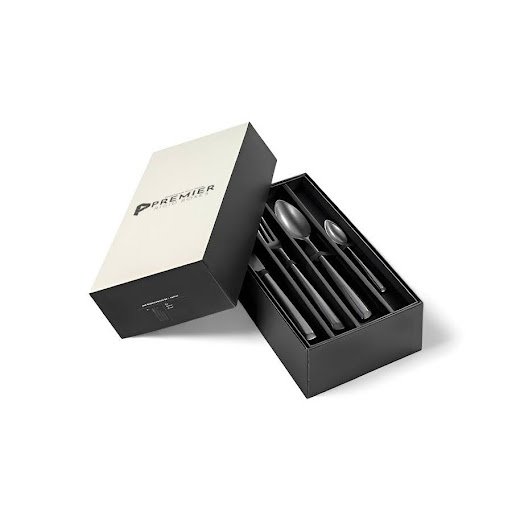
A Tableware Storage Box is a perfect solution for storing dishes and utensils.
Tableware Box is a box used to keep your dishes safe. Duffy’s boxes feature both padded pockets and dividers to secure contents. They stop the items from chipping and cracking when stacked. They may be kept in closets or put out on display. The ideal tableware boxes makes arranging and safeguarding your dinnerware simple.
Identify the correct environment in which to operate.
Extreme conditions are not the friend of ceramics. Don’t use garages, basements or attics. Such locations can experience characteristics of temperature and humidity fluctuations that lead to cracks.
Best storage conditions:
- Cool, dry and temperature stable environment
- Low humidity to guard against moisture harm.
- In a location where there is no direct sun exposure, which can bleach colors.
- Cleared from the ground, so as to not flood.
Check Regularly
If ceramics are stored for long periods, check them every few months for any signs of moisture or damage. Using quality tableware packaging and a sturdy storage box helps keep your dinnerware protected. It provides peace of mind, knowing your tableware remains safe during storage. Regular inspections also help identify potential issues early before they become serious.
These are some of the packing mistakes that most people make:
- Employing thin boxes that bend or collapse
- There is not enough space between objects
- Folded plates, not separated
- Not writing “FRAGILE” on boxes
- Placing bulky objects on fragile surfaces
Conclusion
You don’t need to be stressed about packing ceramics. Know your material. Carefully wrap each piece. Be sure to use solid boxes and lots of padding. A proper box for tableware storage is easy and safe for long-term storage.
Take your time. Haste results in broken pieces. If you take proper care, your ceramics will appear beautiful for many years. The golden rule is to protect it as you love it, whether it’s porcelain, stoneware or earthenware.