
Most people mean well when they toss paper in the recycling bin. The problem is, not all paper is actually recyclable, and the stuff that isn’t can cause real headaches at the recycling facility. Contaminated batches sometimes get rejected entirely, meaning an entire truckload, including all the paper that was perfectly fine, ends up in a landfill anyway.
So before you toss that next piece of paper in the blue bin, it’s worth knowing which ones don’t belong there. Here are three common types that trip people up, and why they cause trouble.
1. Thermal Paper (Receipts)
That crumpled receipt sitting in your wallet or bag? Skip the recycling bin for that one.
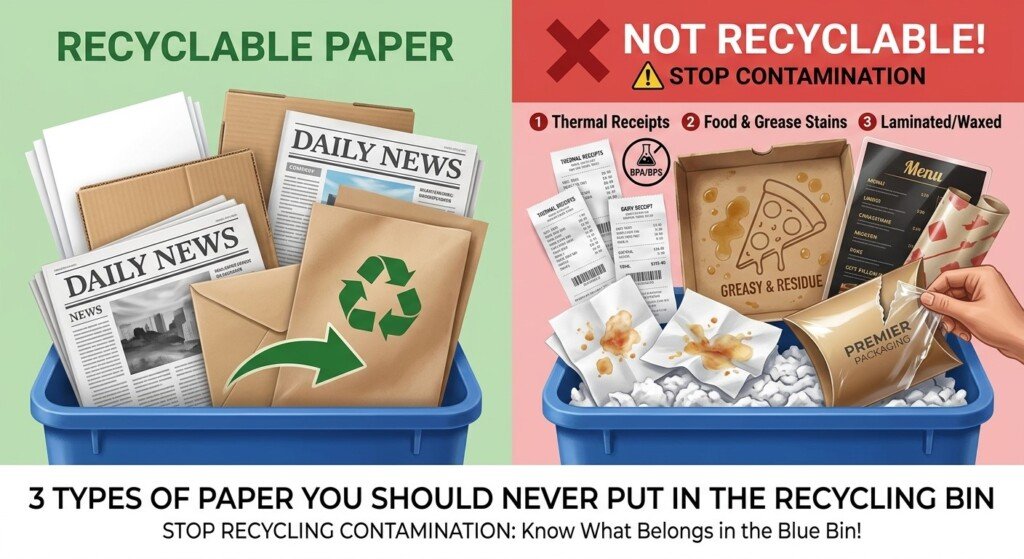
Most store receipts are printed on thermal paper, which uses heat rather than ink to produce the text. To make that work, the paper is coated with a chemical layer, often containing BPA or BPS, that reacts to heat. That coating is exactly what makes thermal paper a problem for recycling. It doesn’t break down the way regular paper fibers do, and it can contaminate an entire batch of recycled paper pulp if enough of it gets mixed in.
There’s also the issue of chemical exposure. BPA and BPS are the same compounds that get flagged in conversations about plastic water bottles and food packaging, and they can transfer onto skin through handling, let alone through a recycling process that isn’t built to filter them out.
The safest move is to just throw receipts in the trash, or better yet, ask for a digital receipt when a store offers one. A lot of retailers now default to email receipts anyway, which sidesteps the whole issue.
2. Paper with Food or Grease Stains
This one catches a lot of people off guard, mostly because it feels wasteful to throw away something that looks like normal paper. But once paper absorbs grease, oil, or food residue, the fibers themselves become the problem.
Recycling paper works by breaking it down into a wet pulp, then separating and reprocessing the fibers into new paper products. Grease and oil don’t mix with water, so they interfere with that separation process. A greasy pizza box is the classic example. The parts of the box without grease stains are usually fine to recycle, but the section that sat under the pizza typically isn’t, since the oil has soaked into the fibers.
The same logic applies to used paper plates, napkins with food on them, or takeout containers lined with a thin layer of grease-resistant coating. If you’re not sure whether something counts, a decent rule of thumb is to check if the paper still looks and feels like paper, or if it’s gotten translucent and slightly waxy from oil soaking through. Translucent usually means it’s headed for the trash, not the recycling bin.
3. Laminated, Waxed, or Plastic-Coated Paper
This category covers a surprising amount of everyday paper products, and it’s probably the one that causes the most confusion. Laminated paper, wax paper, and plastic-coated paper all look like regular paper on the surface, but they’ve got a thin layer of plastic, wax, or resin bonded to them that makes recycling nearly impossible using standard paper recycling methods.
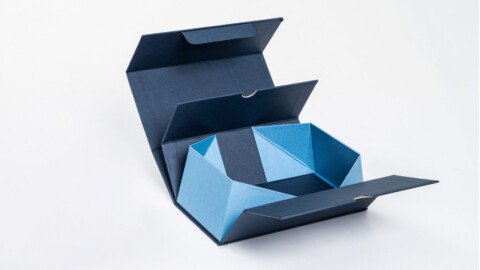
Laminated menus, glossy magazine covers with a plastic-feeling sheen, wax paper used for baking, and freezer paper all fall into this bucket. So does a lot of specialty packages. Gift boxes with a glossy or laminated finish are a common example plenty of premium packaging, including something like a gift card pillow box, gets a coating specifically to make it more durable and give it a polished look, and that same coating is what keeps it out of standard paper recycling streams.
The issue is structural. Paper mills separate fibers using water and mechanical processing, and a plastic or wax coating simply doesn’t dissolve or break apart the way paper does. Even a small amount mixed into a batch of pulp can gum up equipment or weaken the quality of the recycled paper that comes out the other end. Some facilities can handle small amounts of coated paper, but most curbside programs can’t, so it usually gets sorted out and tossed anyway.
Why This Actually Matters
It’s tempting to think “well, it’s just paper, how bad could it be,” but contamination is one of the biggest problems recycling facilities deal with. When the wrong materials get mixed into a batch, workers either have to manually pull them out, which slows everything down, or the whole batch gets rejected and sent to a landfill instead of being processed. Either way, putting the wrong paper in the bin doesn’t help the environment the way people assume it does it can actually cause more waste, not less.
The good news is that once you know what to look for, sorting out the problem paper isn’t hard. Thermal receipts, anything soaked in grease or oil, and paper with a plastic, wax, or laminate coating are the three biggest culprits, and none of them belong in a standard recycling bin.
A Quick Way to Check
If you’re ever unsure whether a piece of paper is recyclable, a simple trick is the tear test. Regular paper tears cleanly and doesn’t leave a shiny or plastic-feeling residue behind. Coated or laminated paper tends to tear unevenly, and you can usually feel or see a thin plastic layer where it separates from the paper fibers. If it fails that test, it’s safer to toss it in the trash than risk contaminating a whole batch of otherwise recyclable material.
Recycling only works if the material going into the bin is actually recyclable. Taking a few extra seconds to sort things properly makes a bigger difference than most people realize.
Final Thoughts
Knowing what belongs in the recycling bin is just one part of the bigger picture. The other part happens earlier, at the point where products and their packaging are actually designed. Brands that think ahead about materials, like choosing coatings and finishes that can still be recycled instead of ones that can’t, make it a lot easier for everyday people to do the right thing without having to run a tear test on every box that comes through their door. Companies such as The Premier Packaging work with businesses to find that balance, offering packaging that still looks polished and holds up well without relying on materials that contaminate recycling streams. A little more intention on the production side goes a long way toward making recycling actually work the way it’s supposed to.