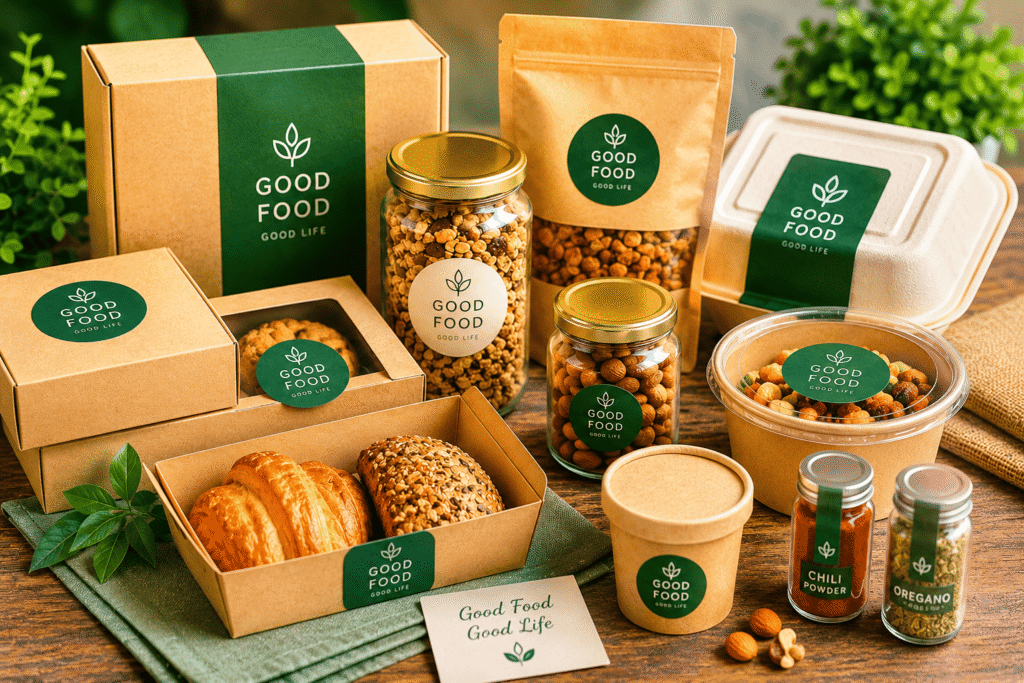

Every small food business owner knows that great taste alone isn’t enough to build a lasting brand. In a market full of competition, packaging has become one of the most powerful tools for standing out, building trust, and turning first time buyers into loyal customers. The right packaging doesn’t just hold your product, it sells it before the customer even takes a bite.
If you’re running a small food business and want to grow sustainably, this guide walks you through practical, affordable, and creative packaging ideas that can directly contribute to your business success.
Why Packaging Is Key to Small Business Success
Packaging influences buying decisions more than most small business owners realize. It’s often the very first physical touchpoint a customer has with your brand, before they taste anything, they see your box, jar, or wrapper.
Good packaging helps in several ways: it protects your product during storage and delivery, builds brand recognition through consistent design, communicates trust through clear labeling and food safety information, and creates a memorable unboxing experience that encourages repeat purchases and word-of-mouth referrals.
For small businesses competing against larger, well funded brands, smart packaging choices can level the playing field without requiring a massive budget.
Eco-Friendly Packaging That Builds Trust
Sustainability has shifted from a nice-to-have to an expectation, especially among younger consumers who actively choose brands that align with their values. Simple ways to incorporate eco-friendly packaging include:
- Biodegradable containers made from sugarcane fiber or cornstarch
- Recycled kraft paper bags for baked goods or snacks
- Reusable glass jars for sauces, jams, or spices
- Compostable wraps instead of single-use plastic
- Seed paper packaging that customers can plant after use
Beyond the environmental benefit, sustainable packaging often becomes a talking point customers share on social media, giving your brand free organic exposure.
Custom Branded Boxes on a Small Budget
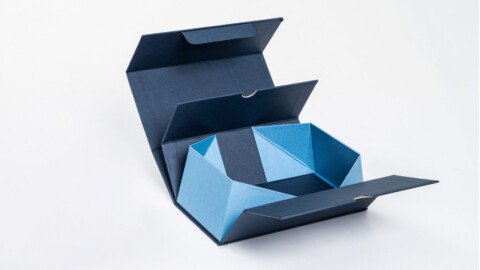
You don’t need thousands of units to create custom packaging that looks professional. Many printing suppliers now offer low minimum order quantities specifically for small businesses, along with digital printing that’s far more affordable than traditional offset methods.
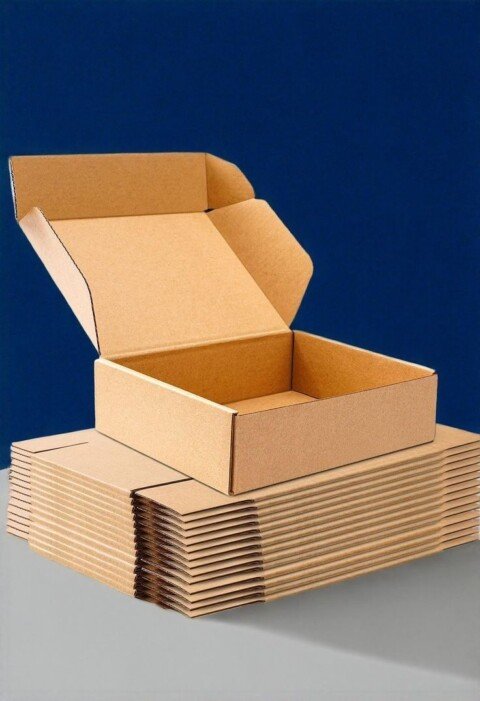
Even a simple kraft box with a stamped logo, or a plain box with a well designed sticker, can look just as premium as a fully custom-printed one, especially when your visual branding stays consistent across every product.
Clean, Minimalist Label Design
If custom packaging isn’t in your budget yet, focus your energy on label design instead. A clean, well thought out label can elevate even the simplest packaging.
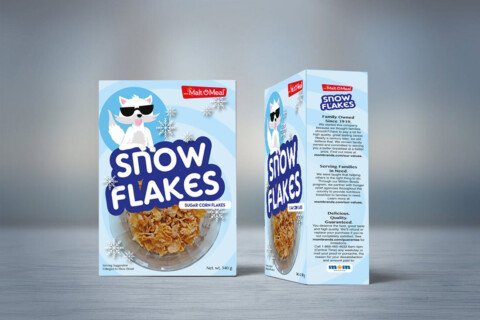
Effective food labels typically include a clear logo and product name, one or two consistent brand colors, easy to read ingredient and nutritional information, and a short tagline that reflects your brand’s personality. Adding a QR code linking to your website or social media is also a smart way to drive traffic beyond the point of sale.
Transparent Window Packaging
For products like cookies, chips, or dried fruits, a transparent window lets customers see exactly what they’re buying, which builds trust and encourages impulse purchases, whether you’re selling at a market stall, in a retail store, or through online delivery.
Affordable options include kraft boxes with a die-cut window, clear cellophane bags with a branded twist tie, or matte stand-up pouches with a small clear panel.
Reusable Packaging That Extends Brand Visibility
Packaging that customers want to keep and reuse continues marketing your brand long after the sale. Consider tin boxes for cookies that double as storage containers, glass spice jars that fit into a customer’s kitchen, or fabric and jute bags for bulk items like rice or grains.
Every time a customer reuses your packaging at home, your brand stays visible, essentially free, ongoing advertising.
Seasonal and Limited-Edition Designs
Small businesses have a natural advantage here: agility. Limited-edition packaging tied to holidays or seasons creates urgency and gives customers a reason to buy now rather than later.
Examples include festive packaging for Eid or Ramadan sweets, winter-themed designs for hot beverages, or Valentine’s Day packaging for baked treats. These seasonal designs also give you fresh, engaging content for social media marketing.
Functional Packaging for Delivery and Takeaway
With food delivery continuing to grow, packaging needs to do more than look good, it needs to perform. Leak proof containers with secure lids, insulated bags for hot items, compartment trays to separate different foods, and tamper-evident seals all help protect your product and your reputation.
Investing in functional packaging reduces complaints, minimizes returns, and builds customer confidence, which is especially important for small businesses still establishing trust in the market.
Personal Touches That Create Emotional Connection
One of the most cost-effective ways to stand out is through personalization. A handwritten thank-you note, a sticker with the customer’s name, or a small recipe card tucked inside the package creates a personal connection that larger competitors often can’t replicate.
This approach works particularly well for home based bakeries, small spice or condiment brands, and subscription food boxes, where customers already expect a more personal experience.
Using Color Psychology Strategically
Color plays a subtle but powerful role in how customers perceive your product before they even read the label. Green typically suggests freshness and organic quality, red and orange stimulate appetite, brown and beige tones convey a natural or artisanal feel, and black and gold often signal a premium product.
Choosing colors that align with your product type and target audience can quietly influence purchasing decisions.
Budget-Friendly DIY Packaging Options
If you’re just starting out, there are still plenty of low-cost packaging solutions available. Plain kraft paper bags with a rubber-stamped logo, printable labels made with free design tools, recycled glass jars cleaned for reuse, and simple twine and paper wrapping for a rustic look can all create a branded, intentional feel without a large upfront investment.
Conclusion
Packaging is far more than a container, it’s a marketing tool, a trust builder, and often a customer’s very first impression of your brand. For small food business owners, success doesn’t require the biggest budget; it requires consistency, creativity, and a clear understanding of what your customers value.
Whether you start with eco-friendly materials, minimalist labels, or small personal touches, the goal is the same: create packaging that reflects your brand identity every single time a customer interacts with your product. Start small, listen to customer feedback, and gradually reinvest in packaging upgrades as your business grows. Done right, packaging won’t just protect your product, it will actively drive your business success.