
If you have ever opened an online shopping delivery, you have already touched corrugated packaging. So, what is corrugated packaging? It is a lightweight yet strong packaging material made from layers of paper pressed into wavy (fluted) sheets and glued between flat sheets. It is the backbone of the global shipping and logistics industry, protecting billions of products every single day.
In this guide, we will break down the corrugated packaging meaning, compare corrugated board vs cardboard, explain corrugated fiberboard, cover the corrugated cardboard definition, and walk through exactly how corrugated packaging is made — step by step.
What is Corrugated Packaging? (Corrugated Packaging Meaning)
Corrugated packaging is a type of packaging built from a fluted (wavy) paper layer sandwiched between one or two flat paper layers, called liners. This structure gives it strength, cushioning, and durability while remaining light in weight.
The corrugated packaging meaning goes beyond just “cardboard boxes.” It refers to an entire category of engineered paper based material designed to resist crushing, absorb shock, and protect goods during storage and transit. Businesses across e commerce, food, electronics, and manufacturing rely on it because it is affordable, recyclable, and customizable in size, thickness, and print design. Unlike simple paperboard, corrugated packaging is engineered with air pockets inside its fluted layer, which is exactly what gives it superior strength to weight performance.
Corrugated Board vs Cardboard: What’s the Difference?
Corrugated board and cardboard are often used interchangeably, but they are not the same thing. Cardboard usually refers to a single thick sheet of paperboard, while corrugated board has a fluted middle layer between paper liners.
This corrugated board vs cardboard distinction matters a lot for packaging decisions. Cardboard, like a cereal box, is a single layer stiff paper product used mainly for lightweight retail packaging and printing. Corrugated board, on the other hand, has three key components: an inner liner, a fluted medium, and an outer liner. This layered construction makes corrugated board significantly stronger and more shock resistant than plain cardboard, which is why it is used for shipping boxes rather than cereal boxes. In short, all corrugated board can be loosely called “cardboard” in casual speech, but not all cardboard is corrugated.
What is Corrugated Fiberboard?
Corrugated fiberboard is the technical, industry accurate name for what most people simply call a “cardboard box” material. It consists of a fluted sheet glued between flat sheets of kraft paper.
Corrugated fiberboard is manufactured to specific strength grades depending on its intended use — from lightweight retail packaging to heavy duty industrial crates. The fluting pattern (commonly labeled A, B, C, E, or F flute) determines the thickness, cushioning ability, and stacking strength of the fiberboard. Larger flutes offer more cushioning and stacking strength, while smaller flutes are better for compact, printable retail boxes. This flexibility is why corrugated fiberboard is the most widely used packaging material in the world for shipping and transport.
Corrugated Cardboard Definition Explained
The corrugated cardboard definition refers to a paper based packaging material made of a wavy, fluted paper layer bonded to one or two flat paper sheets to form a rigid, protective structure.
By definition, corrugated cardboard is not a single sheet — it is a composite structure. This is an important clarification because many people search for “corrugated cardboard definition” expecting a simple description, but the real answer lies in its construction: liners + fluted medium + adhesive bonding = corrugated cardboard. This composite design is what allows it to bend without breaking, absorb impact, and support heavy stacked loads, something a flat sheet of paper could never do on its own.
How Corrugated Packaging is Made
The manufacturing process for corrugated packaging begins with the selection of high-quality containerboard, which serves as the fundamental raw material. To create the structural integrity of the material, a sheet of paper is fed into a specialized machine known as a corrugator, where it passes between heated, grooved rollers. These rollers exert significant pressure and heat to force the paper into the distinct wavy, fluted pattern that provides essential cushioning and strength. Once this corrugated medium is formed, the tips of the flutes are precisely coated with a high-strength adhesive, typically a starch-based glue. Simultaneously, flat sheets of paper, referred to as liners, are introduced to either side of the fluted layer to create a sandwich-like structure. This assembly is then passed over a series of heating plates, which cure the adhesive rapidly to ensure a permanent and durable bond. The result is a robust, lightweight composite material capable of supporting significant weight while resisting crushing forces. This engineered architecture effectively balances material efficiency with structural performance, making it the industry standard for protective shipping containers. By combining the rigid strength of the liners with the shock-absorbing properties of the fluted medium, corrugated packaging offers a highly reliable solution for global logistics and storage needs.
Here is a simplified breakdown of how corrugated packaging is made:
- Paper Selection Kraft paper or recycled paper is chosen based on strength requirements.
- Corrugating Process The medium paper passes through heated corrugating rolls that press it into a fluted (wave) shape.
- Gluing Starch based adhesive is applied to the tips of the flutes.
- Lamination Flat liner sheets are pressed onto one or both sides of the fluted medium to form a single face, single wall, double wall, or triple wall board.
- Cutting and Scoring The bonded board is cut into sheets and scored along fold lines.
- Printing Branding, barcodes, or instructions are printed using flexographic or digital printing.
- Die Cutting and Folding The board is shaped into boxes, trays, or custom packaging and folded into its final form.
This entire process happens on high speed corrugating machines, allowing manufacturers to produce thousands of packaging units per hour while maintaining consistent strength and quality.
Types of Corrugated Packaging
Corrugated packaging is categorized by its structural complexity, defined by how many layers of fluting and flat linerboard are combined. By adjusting these layers and the size of the “flutes” (the wavy inner arches), manufacturers can fine-tune the material’s strength, cushioning, and printability for specific shipping or retail need
- Single Face One flat liner glued to one fluted layer; used mainly as protective wrapping.
- Single Wall One fluted layer between two flat liners; the most common type for shipping boxes.
- Double Wall Two fluted layers with three liners; used for heavier products.
- Triple Wall Three fluted layers with four liners; used for industrial and export packaging.
Choosing the right type depends on the product’s weight, fragility, and shipping distance.
Benefits of Corrugated Packaging
Corrugated packaging is favored globally because it perfectly balances structural performance with economic and environmental benefits. Its unique arched design provides exceptional strength and cushioning at a very low weight, keeping shipping costs down while protecting fragile goods. It is incredibly affordable to manufacture and transport, making it the most cost-effective solution for mass distribution. Furthermore, its high recyclability and use of renewable wood fibers make it a leader in sustainable packaging. These traits, combined with its versatility for branding and customization, make it an indispensable asset for modern commerce.
- Lightweight yet strong Reduces shipping costs while protecting contents.
- Recyclable and eco friendly Made mostly from recycled paper fibers.
- Customizable Can be cut, printed, and shaped for any product.
- Cushioning Fluted layers absorb shocks during transit.
- Cost effective Cheaper to produce than plastic or wooden packaging.
These benefits explain why corrugated packaging dominates industries like e commerce, food delivery, electronics, and furniture shipping.
Common Uses of Corrugated Packaging
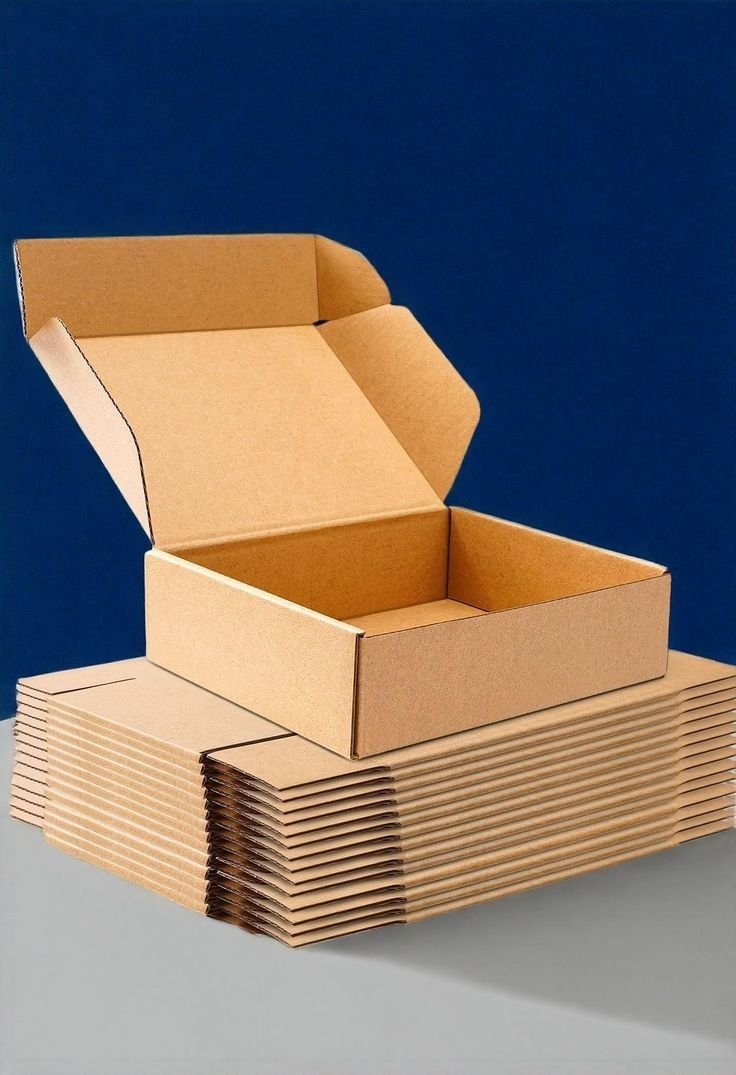
Corrugated packaging is the universal standard for shipping, storage, and retail display because of its unmatched versatility. It protects goods from physical damage during transit, keeps items organized in warehouses, and serves as an effective, printable surface for branding. Whether it is a small e-commerce mailer or a complex retail display, the material is easily customized to fit any product’s shape and size. Its reliability across global supply chains ensures that products remain safe and presentable from the factory floor all the way to the end user.
- E commerce shipping boxes
- Food and beverage packaging
- Electronics and appliance boxes
- Retail point of sale displays
- Industrial crates and pallets
FAQs About Corrugated Packaging
1. What is corrugated packaging used for?
Corrugated packaging is used for shipping, storing, and protecting products during transit, especially in e commerce, retail, and industrial logistics.
2. Is corrugated packaging the same as cardboard?
Not exactly. Corrugated packaging has a fluted layer between flat sheets, while plain cardboard is usually a single, non fluted sheet.
3. What materials are used to make corrugated packaging?
It is typically made from kraft paper or recycled paper fibers, formed into fluted and flat liner layers.
4. Is corrugated packaging recyclable?
Yes, corrugated packaging is highly recyclable and is one of the most recycled packaging materials in the world.
5. What are the different flute sizes in corrugated packaging?
Common flute types include A, B, C, E, and F, each offering different levels of cushioning, strength, and thickness.
6. Why is corrugated packaging preferred for shipping?
Its fluted structure provides excellent cushioning and crush resistance while remaining lightweight, reducing shipping costs.
7. Can corrugated packaging be customized for branding?
Yes, it can be printed, die cut, and shaped to match specific branding, sizing, and product protection needs.
Conclusion
So, what is corrugated packaging? It is a fluted, layered paper based material engineered to protect products while keeping shipping costs low. From understanding the corrugated packaging meaning to comparing corrugated board vs cardboard, exploring corrugated fiberboard, clarifying the corrugated cardboard definition, and learning how corrugated packaging is made, it’s clear why this material remains the top choice for businesses worldwide. Whether you’re shipping a small parcel or a heavy industrial product, corrugated packaging offers the right balance of strength, affordability, and sustainability.